USDA Macro RDA Standards: Protein, Carbs, Fat by Age & Sex
Quick Take
USDA RDA for protein is 0.8g/kg body weight daily for adults — but that's the minimum, not the optimal. Carbs need to be at least 130g/day to fuel your brain. Fat doesn't have a specific RDA, but should make up 20-35% of your calories. Here's the kicker: these are baseline numbers. Athletes, pregnant women, older adults, and people with specific health conditions need more — sometimes much more. And the AMDR ranges? Those tell you the proportion of calories each macro should provide, not just the minimum.
Ever wondered how much protein you actually need? Or whether low-carb diets are "healthy"? The USDA RDA (Recommended Dietary Allowances) are the gold standard for nutrient recommendations in the US. But here's the thing: most people don't understand the difference between RDA (minimum to prevent deficiency) and optimal intake. The RDA is the floor, not the ceiling.
Let me break it down for you. The RDA is what the National Academy of Medicine (formerly Institute of Medicine) determines is the minimum amount of a nutrient needed to prevent deficiency in 97-98% of the population. It's a safety margin — not a recommendation for optimal health. For protein, that means 0.8g/kg is what keeps you from getting sick, not what helps you build muscle or stay lean.
Need personalized macro recommendations? Use the [Macronutrient Calculator + ../tools/macronutrient-calculator.html] to find your optimal protein, carbs, and fat targets based on your goals.
Protein RDA Standards by Age and Sex
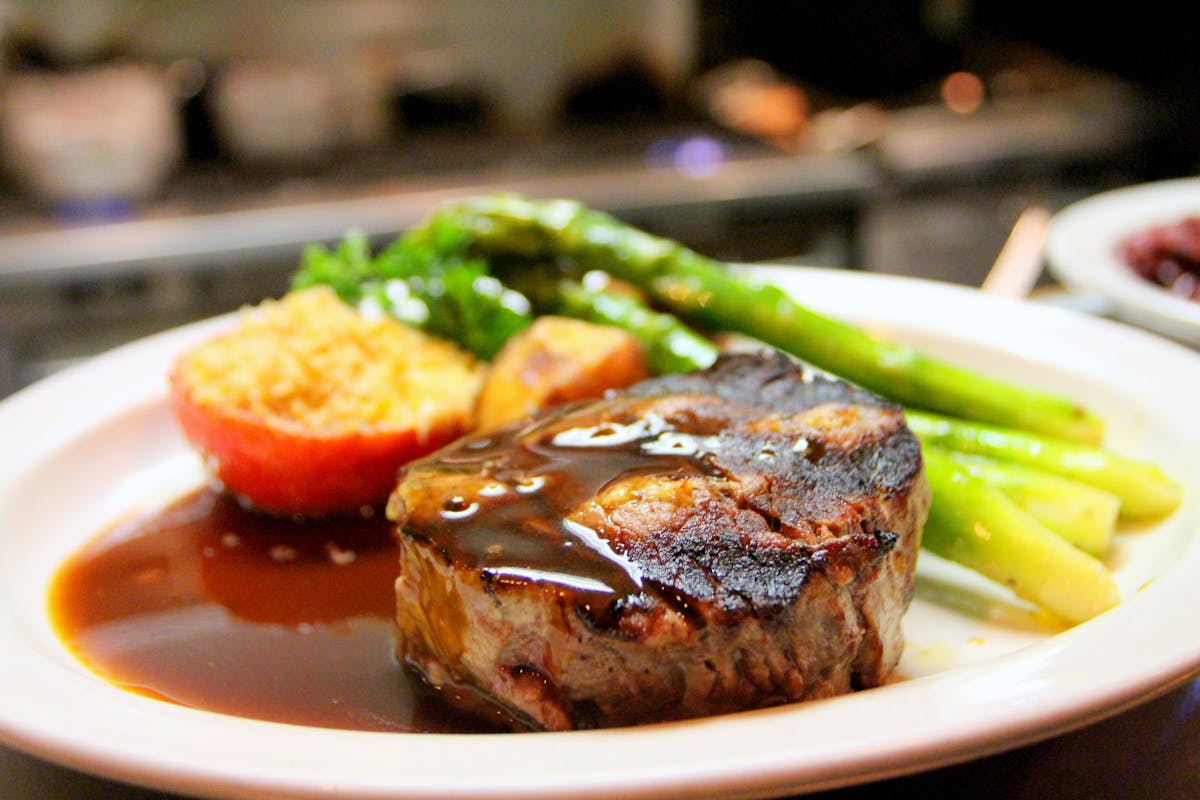
Protein is the building block of life — it's used for muscle repair, immune function, hormone production, and much more. The USDA RDA for protein varies significantly by age and life stage.
| Age Group | Male RDA (g/day) | Female RDA (g/day) | Notes |
|---|---|---|---|
| 0-6 months | 9.1 | 9.1 | Based on breast milk intake |
| 7-12 months | 11 | 11 | Introducing solid foods |
| 1-3 years | 13 | 13 | Toddler growth spurt |
| 4-8 years | 19 | 19 | School-age growth |
| 9-13 years | 34 | 34 | Pre-puberty growth |
| 14-18 years | 52 | 46 | Adolescent growth spurt |
| 19-30 years | 56 | 46 | Adult maintenance |
| 31-50 years | 56 | 46 | Adult maintenance |
| 51+ years | 56 | 46 | May benefit from higher intake |
| Pregnancy (2nd/3rd tri) | — | 71 | Additional 25g/day |
| Lactation | — | 71-75 | Varies by milk production |
For adults, the RDA is 0.36g per pound of body weight (0.8g/kg). So a 154lb man needs 56g/day, and a 128lb woman needs 46g/day. But here's what most people miss: this is the minimum. Many experts recommend 1.0-1.2g/kg for general health, 1.2-1.6g/kg for athletes, and 1.2-1.5g/kg for older adults to prevent sarcopenia[Phillips 2011].
Carbohydrate RDA Standards
Carbohydrates are your body's primary energy source, especially for the brain and nervous system. Unlike protein and fat, the RDA for carbs is based on the minimum needed to prevent ketosis and maintain brain function.
| Age Group | Carbohydrate RDA (g/day) | Notes |
|---|---|---|
| 0-6 months | 60 | From breast milk/lactose |
| 7-12 months | 95 | Introduction of complex carbs |
| 1-3 years | 130 | Same as adults |
| 4-18 years | 130 | Same as adults |
| 19+ years | 130 | Minimum for brain function |
| Pregnancy | 175 | Additional for fetal development |
| Lactation | 210 | Additional for milk production |
130g/day might sound like a lot, but for most adults eating 2000-2500 kcal/day, that's only 20-26% of calories — well below the AMDR of 45-65%. The RDA is truly a minimum — most people eat far more carbs than this, and that's fine as long as they're nutrient-dense carbs like whole grains, fruits, and vegetables.
Fat Recommendations and AMDR

Fat doesn't have a specific RDA because it's not typically deficient in Western diets. Instead, the USDA provides AMDR (Acceptable Macronutrient Distribution Ranges) that tell you what proportion of calories should come from fat for optimal health.
| Age Group | Fat AMDR (% of calories) | Saturated Fat Limit | Notes |
|---|---|---|---|
| 0-6 months | 40-55% | No specific limit | High fat needed for brain development |
| 7-12 months | 30-40% | No specific limit | Transition to family foods |
| 1-3 years | 30-40% | <10% | Childhood development |
| 4-18 years | 25-35% | <10% | Adolescent growth |
| 19+ years | 20-35% | <10% | Adult maintenance |
| Pregnancy | 20-35% | <10% | Same as adults |
| Lactation | 20-35% | <10% | Same as adults |
For a 2000 kcal diet, 20-35% fat means 44-78g of fat per day. That's a wide range — and it's intentional. The key is the type of fat, not just the amount. Unsaturated fats (from nuts, seeds, avocados, fatty fish) are beneficial, while saturated and trans fats should be limited.
AMDR Ranges: The Big Picture
AMDR stands for Acceptable Macronutrient Distribution Ranges. These are the proportions of calories that should come from each macronutrient for adequate nutrition while reducing chronic disease risk.
| Macronutrient | AMDR (% of calories) | Key Functions | Deficiency Risks |
|---|---|---|---|
| Protein | 10-35% | Muscle repair, immune function, hormones | Muscle wasting, weakened immunity, fatigue |
| Carbohydrates | 45-65% | Brain fuel, energy, fiber | Ketosis, fatigue, constipation |
| Fat | 20-35% | Hormone production, vitamin absorption, cell structure | Dry skin, hormonal imbalances, vitamin deficiencies |
Let's put this into perspective. For a 2000 kcal diet:
- Protein: 200-700 kcal = 50-175g
- Carbs: 900-1300 kcal = 225-325g
- Fat: 400-700 kcal = 44-78g
Notice how much wider the AMDR is than the RDA? The RDA is the minimum to prevent deficiency, while the AMDR is the range for optimal health. For protein, the RDA of 46-56g/day falls at the very bottom of the AMDR range.
Special Population Adaptations
While the RDA provides baseline recommendations, certain populations need more specific guidance.
Athletes and Active Individuals
Athletes, especially strength and endurance athletes, need more protein than the RDA. The American College of Sports Medicine recommends 0.54-0.91g/lb body weight (1.2-2.0g/kg) for athletes, depending on training volume and goals[ACSM 2009]. For carbs, endurance athletes may need 2.7-4.5g/lb (6-10g/kg) during heavy training periods.
Older Adults (65+)
Older adults are at risk of sarcopenia (muscle loss) and may benefit from higher protein intake. The PROT-AGE Study Group recommends 0.45-0.54g/lb (1.0-1.2g/kg) for healthy older adults and 0.54-0.68g/lb (1.2-1.5g/kg) for those with muscle loss or malnutrition risk[PROT-AGE 2013].
Pregnant and Lactating Women
Pregnant women need an additional 25g of protein per day (71g total), while lactating women need 71-75g depending on milk production. Carbohydrate needs increase to 175g/day during pregnancy and 210g/day during lactation.
Children and Adolescents
Children have higher protein needs relative to their body weight during growth periods. Toddlers (1-3 years) need 1.05g/kg, while adolescents (14-18 years) need 0.85-0.95g/kg — actually lower per kg than adults, but higher in absolute terms due to growth.